Help Reduce Your Child's Anxiety — Before It Takes Hold
Practical support for parents who want to know what to do, what not to do, and how to give their child the best chance of a less anxious future.
What 10 years + working with anxiety has taught me
- There are 8 Key pillars of Anxiety
- Anxiety can run in families
- Many anxiety responses can become automatic
- Anxiety patterns can be learned
- Earlier support can make a real difference
- Your child doesn't have to be defined by anxiety
You’re a parent who really cares about your child’s future...
- You can see anxiety affecting your child and don't want it to get worse
- You want to know what to do when your child is anxious
- List Item
Why childhood anxiety matters more than we think
- Anxiety can affect a child’s confidence, friendships and everyday life
- It can make school, learning and social situations more difficul
- Avoidance can grow as children learn to stay away from things that make them anxious
- Patterns developed in childhood can continue into adolescence and adulthood
- Helping children develop healthier ways of responding early can make a real difference
What most people don't know about Anxiety
Anxiety is more than the feeling
Anxiety can involve patterns in how we think, respond and cope — often without us realising they're happening
Patterns can become automatic
Worrying, avoiding, expecting the worst or needing certainty can become our automatic way of responding.
Patterns can be changed
When we recognise these patterns, we can begin practising different responses — and help our kids do the same.
How parenting and anxiety connect
- Anxiety isn't just Genetic it's also learnt behaviour
- Children don't just learn from what we say — they also learn from what we do
- Sometimes the way we respond to anxiety can unintentionally reinforce it
- Children learn a lot from how the adults around them respond to worry and uncertainty
- Patterns of anxiety can continue from childhood into adulthood
- Family patterns can be passed on — but they can also be changed
Why I have developed the 'Confident Kids' program
- More and more children are struggling with anxiety
- Parents often know their child needs help, but don't know what to do
- Children need practical skills they can use when anxiety shows up
- Some of the ways we naturally try to help can unintentionally reinforce anxiety
- Parents need the skills too — because children learn so much from how we respond
- I wanted to give families practical tools they can use long after the programme end
What's included in the program
Children don’t just learn from what we say – they learn from how we respond to life
How the program works
Understand the 8 Anxiety Pillars
Learn the eight key patterns that can contribute to anxiety and how they can show up in both you and your child
Identify Your Anxiety Patterns
Recognise the patterns you may be using yourself — often without even realising you're doing them
Understand Your Child's Patterns
Learn to recognise how these same patterns may be showing up in your child's thoughts, feelings and behaviour
Bring It Into Family Life
Put what you've learned into practice at home, so these new skills become part of everyday family life
Help Your Child Build the Skills
Use the practical tools and audios to help your child practise and develop the skills behind each of the eight pillars.
Learn a Different Way
Discover practical ways to respond to worry, uncertainty, avoidance and other situations without unintentionally reinforcing anxiety
Anne Goodall
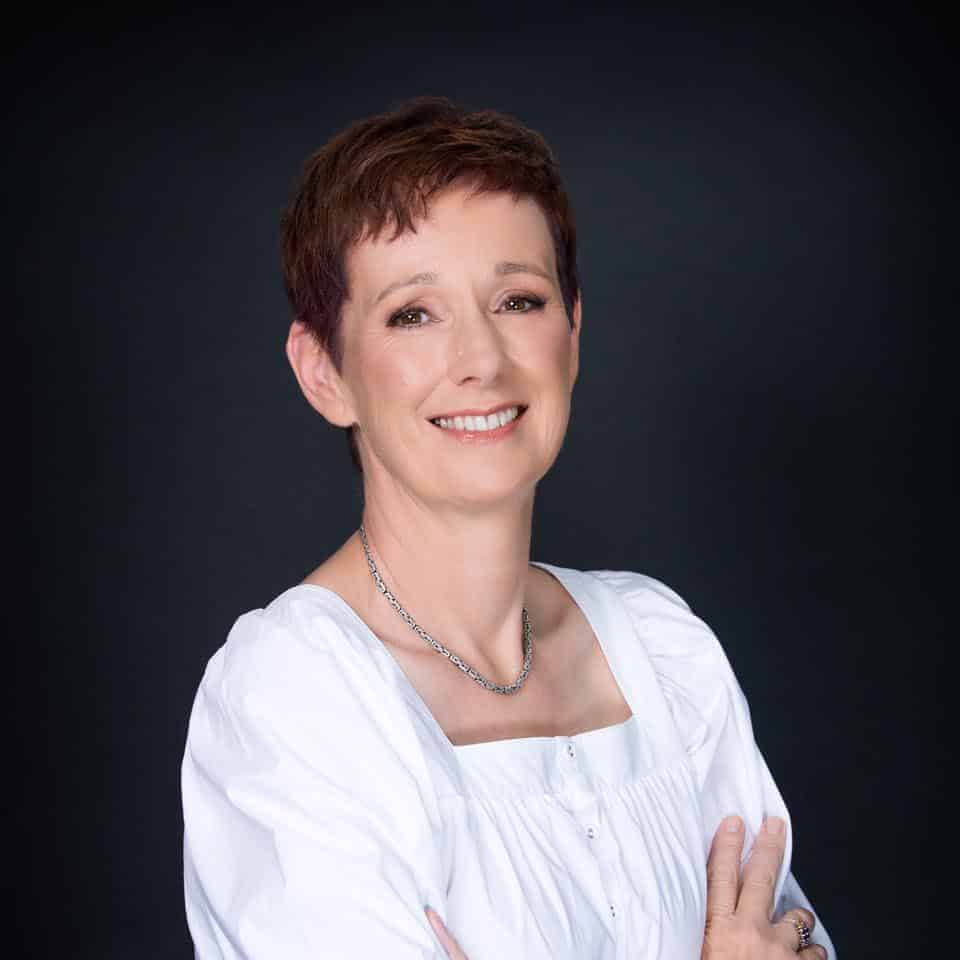
Meet your Therapist, Anne Goodall
Anne is a published author and therapist with more than 10 years’ experience working with anxiety and behavioural change.
“As a mum of three, I understand that parenting isn't easy, and most parents are already doing the very best they can. When we think something could help our children, we'll usually do whatever we can to support them. But I also know life is busy. The last thing most parents need is another overwhelming programme, another appointment to juggle, or another thing to feel guilty about not keeping up with. That's why I designed Creating Confident Kids to fit into real family life. With flexible access via app and web, you can work through the programme in a way that works for your family and your schedule — without it feeling like another job on your already full plate.”
Experiences from people I’ve worked with
People we Have Helped
FAQ
Creating Confident Kids is designed for parents who are worried about anxiety patterns, whether their child is already showing signs of anxiety or they simply want to understand anxiety differently and reduce the likelihood of it becoming a bigger issue over time.
It is never too late to start understanding how anxiety works and how to mitigate the pillars of anxiety.
Research suggests anxiety can involve a combination of genetics, environment, and learned patterns. Children also learn from how the adults around them respond to stress, uncertainty, fear, and everyday life. This programme helps parents understand anxiety differently — starting with their own.
In essence, we cannot teach something to our children that we have not mastered outself.
This program is ideal for parents who wish to reduce the risk of passing on anxiety to their children.
This programme is ideal for anybody who is anywhere from the stage of planning on falling pregnant right up to when your child is a teenager.
You learn how to mitigate your own anxiety, understand how anxiety works, and learn how to respond differently to the world. Then you are creating an environment that is less likely to create anxiety in your child.
Creating Confident Kids sits at the intersection of both. It helps parents understand anxiety, work with their own anxiety differently, and learn practical ways to support their child without unintentionally reinforcing anxiety patterns.
Many approaches focus mainly on managing symptoms. This programme also explores the unconscious processes, nervous system responses, learned patterns, and practical parenting tools that can influence anxiety in both parents and children
Most parents are doing the very best they can — this programme is not about blame or perfect parenting. It’s about understanding anxiety differently, gaining practical tools, and learning healthier ways to respond for both you and your child
That’s exactly why this programme was designed to fit into real life.
The reality is, anxiety — whether it’s yours or your child’s — often already consumes a huge amount of time, emotional energy, reassurance, worry, and mental bandwidth.
This isn’t about adding another burden to your week.
It’s about understanding anxiety differently, learning practical tools, and helping create healthier patterns that can ultimately save time, energy, and emotional exhaustion in the long run.